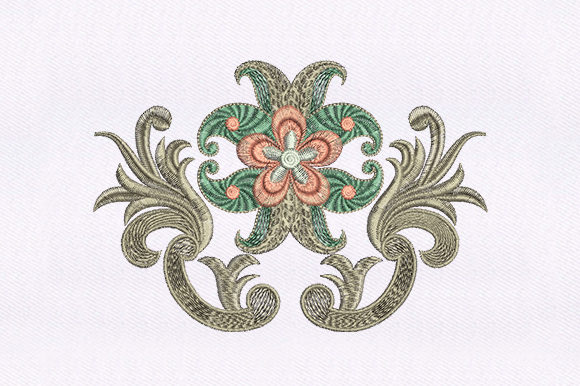
Fashioned Quilting Design: An Elegant Choice for Sophisticated Projects
When I first opened this machine embroidery design, my immediate thought was of a beautifully finished pillow cover for a client’s master bedroom. The design has a timeless, fashioned feel—it’s not overly ornate, but it carries a quiet sophistication that speaks to thoughtful craftsmanship. This isn’t a loud, flashy pattern; it’s a design that suggests quality and a refined handmade product. For anyone building a brand around elegant home goods or personalized gifts, this design has a strong visual personality that leans towards classic, rather than trendy, appeal.
The Mood It Creates and Where It Naturally Belongs
This Fashioned Quilting Design evokes a sense of calm and curated comfort. The layout feels balanced, and the detail level appears thoughtfully spaced, which is a critical first impression for an embroidery file. I can visualize it stitched on a linen pillow, a high-quality apron for a boutique kitchen line, or even as a subtle decorative element on a lightweight blanket. The theme is versatile—it could fit a wedding gift, a nursery decor item with the right fabric choice, or a piece of small shop merchandise aiming for a mature, sophisticated audience. Its strength is in its understated elegance.
A Real-Life Scenario: Crafting a Boutique Tote Bag
Let’s walk through a practical application. Imagine you’re preparing a custom embroidered tote bag for an Etsy listing targeting customers who appreciate artisan details. You hoop a natural canvas tote, select a soft grey or cream thread palette, and stitch this design. The result wouldn’t scream for attention; it would invite a closer look. A customer’s reaction would likely be about appreciating the fine detail and the overall enhancement of the product’s value. It makes the tote feel special, a considered purchase rather than a generic one. This is the kind of design that builds customer trust through its handmade presentation and consistent brand aesthetic.
Performance Across Real-Life Embroidery Situations
For apparel decorators and craft business owners, the performance of a design on various items is paramount. This Fashioned Quilting Design, given its apparent structure, would likely stitch out cleanly on stable fabrics like quilting cotton, linen, or mid-weight sweatshirt material. It feels like a candidate for beautiful pillow covers, kitchen towels, and aprons—items where the fabric backdrop is stable and the design can be a focal point.
For baby clothes or caps, you’d need to be selective. On a curved surface like a cap, the design’s details would need to be inspected in a test run to ensure clarity. On a delicate baby gown, the stitch density must be appropriate to not overwhelm the thin fabric. This design seems more suited to decor items rather than activewear, but a tasteful placement on a heirloom-style baby blanket could work wonderfully.
As an embroidered patch, it could become a stunning branded element for a small shop, but attention to the edges and corners during the digitizing process is something you’d want to verify. For holiday gifts or wedding presents, its classic nature makes it giftable—it feels personal and lasting without being overly specific.
Where to Exercise Caution
Every design has its ideal applications and its risk areas. With this one, I’d advise careful consideration on very small hoop sizes. The detail level might lose definition if reduced too much. Textured fabrics like heavy wool or slubby linen could interrupt the cleaner lines, so a test on scrap fabric first is essential.
Stretchy fabrics or dark fabric backgrounds also require planning. On dark fabric, thread color contrast becomes crucial—you’d likely need a bold, light thread to maintain the design’s visual appeal. For layered garments or items needing frequent washing, like tea towels, you’d want to confirm the stitch density isn’t so high that it becomes stiff or prone to snagging. The design’s appeal hinges on stitching clarity, so preserving that through proper stabilizer choice and fabric pairing is key.
Impact on Your Business and Craft
From a commercial embroidery perspective, this design can affect your work in several positive ways. It elevates the perceived value of a finished product. A tote bag with this embroidery looks more professional, more like a boutique product than a craft fair quick-make. For digital product sellers offering printable mockups or design assets, this file has the aesthetic to attract customers looking for refined, usable patterns.
It supports brand consistency for a creative entrepreneur focusing on bedroom decor or sophisticated gifts. The design’s personality is clear enough to become a recognizable element across your product line. For buyer engagement, it’s a design that prompts questions and admiration—it has a detail worth pointing out, which can be a selling point in your product descriptions.
Practical Designer Notes Before You Stitch
Before you commit this to a client project or a batch of handmade products, do the groundwork. Always test the design on a scrap of your intended fabric. Check thread color contrast by running a small section in both light and dark thread on contrasting backgrounds. Review the stitch density by feeling the test patch—is it too stiff for a wearable item?
Confirm the hoop size needed by examining the design dimensions in your software. Inspect the small details, especially if you plan to offer it as an embroidered patch; tiny lettering or intricate corners can be trouble spots. It’s also wise to test the design in black and white mockups to see how it holds up without color dependency.
Use proper stabilizer for the fabric type—this is non-negotiable for professional results. Finally, and this is critical, check the provided embroidery file formats and the licensing terms. This design comes in a wide array of formats including 10O, ART, CND, DSB, DST, DSZ, EXP, HUS, JEF, PCS, PEC, PES, TAP, VIP, VP3, XXX, which is excellent for machine compatibility. But you must confirm whether your use is for personal or commercial projects, and understand the license before selling finished items or digital products derived from it.
The Fashioned Quilting Design is a tool. Its success in your embroidery project, whether for personalized gifts or small shop merchandise, depends on your thoughtful application. It has the inherent elegance to make products feel special, but your skill in pairing it with the right fabric, thread, and intention will bring that potential to life. Approach it with a practical, confident mindset, and it will likely become a reliable asset in your design library.