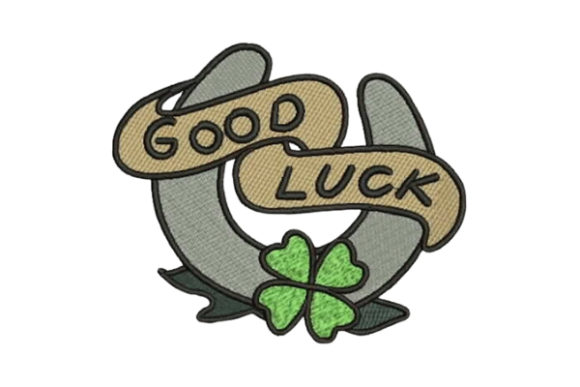
Sailor Tattoo Good Luck Embroidery Design Review
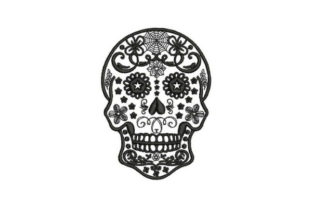
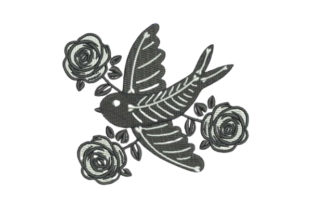
Let’s talk about the Sailor Tattoo Good Luck embroidery design from a seller’s perspective. As an embroidery designer preparing for a weekend craft fair, my first task is to evaluate a design not just on aesthetics, but on its potential to become a viable, sellable product. This design, with its evocative name and beach category placement, presents a unique opportunity. My initial impression is that it feels bold, decorative, and slightly rustic, with a touch of vintage charm that suggests a premium, story-driven handmade product. It’s not cute or minimal; it’s a statement piece.
The Craft Fair Booth Test: Where This Design Shines
Imagine your booth display: tote bags, aprons, tea towels, caps, patches, and pillow covers. The Sailor Tattoo Good Luck design needs a product that can carry its narrative. I would not use it as a tiny accent on a small pouch. Its impact comes from being a focal point.
Tote bags and market bags are a perfect canvas. The design’s presumed bold lines and symbolism would be immediately visible, catching a customer’s eye from several feet away. On a neutral or dark canvas bag, it creates a high-value, artisanal look.
Embroidered patches are another strong contender. This design inherently feels like it belongs on a patch—the “sailor tattoo” theme is literal. Patches sell well as standalone items or as customizable additions, appealing to a broad audience.
For kitchen products like aprons and tea towels, the beach category link is clever. A “good luck” motif on a tea towel adds a thoughtful, giftable layer beyond mere utility. However, be mindful of fabric texture; textured towels can distort finer details.
Pillow covers offer a higher-price-point product. This design could anchor a decorative pillow with a coastal, nautical, or general adventurous theme, elevating it from a simple craft to a home decor item.
Practical Production: Making It Work for Your Business
As an Etsy seller or small shop owner, production efficiency is key. The description mentions multiple embroidery file formats, which is excellent for commercial embroidery across different machines. This flexibility is a major asset for digital sellers.
However, before batch production, you must conduct real-world tests. Always test the design on scrap fabric first, ideally on the exact materials you plan to use: cotton canvas for totes, denim for caps, linen for towels. Check for stitch density; very dense areas can be problematic on lightweight fabrics and require proper stabilizer choice.
Pay special attention to any small lettering or intricate details. The “good luck” element might contain fine text. On curved surfaces like caps, or on dark fabrics where thread contrast is critical, these details can lose clarity at smaller sizes. Confirm the minimum effective hoop size for the design to remain legible and attractive.
Photography and Buyer Engagement
How this design photographs for your Etsy listings or printable mockups is vital. Bold, clear designs with good contrast photograph beautifully, making the online product look as appealing as the physical one. Create at least one real mockup—a finished tote or patch—to photograph. This showcases the handmade quality and texture, far surpassing a digital render.
The Sailor Tattoo Good Luck design tells a story. That story—of tradition, travel, fortune—engages buyers emotionally. In a booth, a product featuring this design can spark conversation. You can explain the symbolism, which adds perceived value and strengthens your brand consistency if your shop leans toward thematic, narrative-driven goods.
Careful Use Notes for Quality Results
To ensure every finished product meets a craft fair customer’s scrutiny, follow these designer notes:
- Thread color contrast is paramount. On dark fabrics, use bright, opaque threads. On light fabrics, deeper colors will pop.
- Review spacing and registration within the design file itself. Overlapping elements or very tight spacing can lead to puckering.
- For items like caps or pouches with limited space, verify the design can be scaled down without losing its essential character.
- Always confirm commercial licensing for the embroidery file before selling finished products. The description suggests it’s for machine embroidery use, but explicit license terms should be checked.
- Compare the design on various fabric colors. It might look best on natural, navy, or cream backgrounds, aligning with its beach and rustic vibe.
Final Judgment: A Strong Seller for the Right Maker
The Sailor Tattoo Good Luck machine embroidery design has strong commercial potential for craft fair products. It is not a universal, all-purpose design; it is a niche, mood-setting design that, when applied to the right product, commands attention and justifies a higher price point due to its decorative complexity and thematic depth.
For handmade shop owners and boutique makers, it excels on statement pieces like tote bags and patches. For embroidery business owners focusing on batch production, its viability depends on those practical tests for stitch density and clarity. As a digital embroidery file, its multiple format support makes it a reliable asset.
In a bustling craft fair booth, a well-executed Sailor Tattoo Good Luck embroidered tote bag won’t blend in. It will stand out as a conversation piece, a piece of art, and a desirable handmade product with a story. That’s the ultimate test for any design heading to market.