Horse Show Jumping Profile: A Craft Fair Winner in the Barn
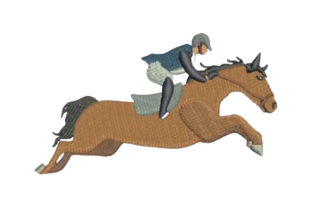
As an embroidery designer stocking a booth for a weekend market, the first thing I do is judge a design by its immediate, on-product impact. The Horse Show Jumping Profile isn’t just another horse silhouette; it’s action captured in thread. The name itself promises a focused, elegant, and athletic mood—it’s not cute or farmhouse, but rather modern, decorative, and premium. This gives it a distinct niche on a crowded table.
Where This Design Earns Its Ribbons on the Booth Table
In a real-world display, your products compete for attention. A tote bag with a large, striking Horse Show Jumping Profile embroidery becomes a focal point, drawing eyes from across the aisle. For horse enthusiasts, this isn't just a bag; it's a statement. On a crisp, white apron, the design takes on a clean, professional elegance, appealing to riders or those who appreciate classic equestrian style. It transforms a simple kitchen towel into a giftable item, moving it from "utility" to "special."
But the real secret for craft fair sellers is the embroidered patch. A beautifully executed patch of this design is a tangible, high-value handmade product. Customers can immediately imagine it on a backpack, jacket, or cap. It’s an easy sell because it’s versatile and personal. On curved surfaces like caps, the profile’s clean lines should adapt well, provided the stitch density is managed for the fabric texture.
Production Reality: Stitching for Sale, Not Just for Fun
Turning a digital embroidery file into a profitable craft fair product requires a practical eye. First, this design’s strength is its clarity. At a glance, a customer understands it: a horse jumping. That quick recognition is sales gold. It works powerfully as a medium to large focal piece on items like pillow covers or market bags, where its graceful lines can fully unfold. As a small accent on a fabric pouch, it risks losing impact; the jumping pose might become muddled if reduced too much.
For batch production—which you’ll need for a busy fair—this profile feels repeatable. It’s a single, cohesive image without tiny, fussy details that might vary from one hoop to the next. This consistency is key for brand consistency across your product line. However, always test the design on scrap fabric first. Check for any dense stitch areas in the horse’s body that could pucker on thinner materials, and review spacing to ensure the design sits balanced on your chosen hoop size.
The Handmade Quality That Customers Feel
The visual appeal of the Horse Show Jumping Profile directly boosts perceived product value. On a high-quality canvas tote, the embroidery looks intentional and skilled, elevating it from a generic small shop product to a bespoke item. This handmade quality fosters buyer engagement; a customer who loves horses will stop to touch the stitches, ask about the process, and connect with the story.
For your booth display strength, mix products. A large apron embroidery sample hung prominently acts as a banner for your equestrian theme. Smaller, finished items like pouches or tea towel embroidery grouped together create a tempting "gift set" visual. Always create at least one real mockup—never rely solely on printable mockups for your Etsy listings or booth planning. The real texture of thread on fabric is what sells.
Critical Notes for Photographing and Stitching Success
Online sellers, listen closely: this design should photograph beautifully for your Etsy seller listings. The single-color profile (assuming a standard thread color like black or dark brown) creates strong contrast, especially on light backgrounds. But for dark fabric applications—a popular choice for caps or bags—you must check thread contrast. A light thread or a cleverly chosen mid-tone will be essential to maintain the design’s clarity.
Practical embroidery designer notes are mandatory before production:
- Use the right stabilizer for the base fabric. Textured towels or thick denial require different support than smooth cotton.
- Compare fabric colors in person with your thread choices. A screen color is not a stitch color.
- Inspect stitch density in the design file preview. High density on textured towels can look messy; adjust if possible.
- Since the product description mentions it works on a variety of fabrics, this is promising, but you must still test.
- Finally, confirm commercial licensing before selling finished products. The description does not specify terms, so you must verify with the designer that your intended commercial embroidery use is covered.
Final Judgement: A Design with Clear Market Potential
The Horse Show Jumping Profile is a strong contender for your handmade market table. It has a specific, passionate audience, a clean aesthetic that translates well to multiple products, and a composition that supports efficient production. Its mood is elegant and active, allowing it to stand apart from more whimsical or rustic animal designs.
For creative entrepreneurs, this machine embroidery design is a versatile design asset. Focus it on products where its profile can shine large and clear: tote bags, aprons, pillow covers, and especially stand-alone patches. Manage the technical details of fabric and stitch application carefully, and this design will not only look great sewed onto your items—it will help them jump right off your shelf into a customer’s hands.