Pineapple Card Case: A Craft Fair Standout Design
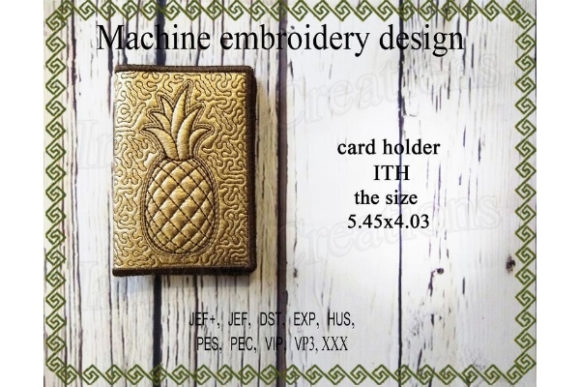
As an embroidery designer preparing for a weekend craft fair, every design I choose needs to pass a tough test: will it sell on a crowded table filled with handmade goods? When evaluating the Card Case – Pineapple embroidery file, my first question isn't about technical specs; it's about visual appeal. This design announces itself as friendly, fresh, and distinctly summery. The pineapple motif leans into a cute, modern aesthetic with a touch of farmhouse charm—it feels decorative and giftable without being overly rustic or fussy.
Where This Pineapple Design Shines on the Booth
Picture your display: tote bags, aprons, tea towels, caps, and small pouches arranged to catch the eye. The Card Case – Pineapple design has a balanced shape that works beautifully as a focal point on medium-sized items. It wouldn’t be my first choice for a tiny accent on a cuff, but as a central feature on a fabric pouch—especially one meant to hold cards—it makes perfect sense. The name suggests its ideal home: small bags, card cases, or cosmetic pouches. These are high-margin, low-cost-to-produce items that customers love as quick, thoughtful purchases.
On a tote bag, this pineapple design would offer a cheerful, medium-scale decoration. On a kitchen towel or apron, it injects a bright, fruity personality that feels more modern than traditional. A key consideration for craft fair sellers is how a design performs on different fabric textures. Embroidered patches made from this file could be incredibly versatile, allowing customers to apply the pineapple to their own items, but the design's success as a patch depends entirely on its stitch density and clarity at smaller sizes.
Practical Production for Batch Selling
Turning a digital embroidery file into a stack of sellable products requires a practical eye. For the Card Case – Pineapple, I’m immediately thinking about repeatability. Can I efficiently run this on a dozen tea towels or twenty pouches? The design appears to have a clean, defined outline. If the inner details are not overly dense with tiny fills or minuscule lettering, it should stitch out reliably without constant thread changes or excessive time per item—both critical for batch production before a fair.
However, the description doesn’t specify stitch count or exact hoop size, so my first step as a professional would be to test it on scrap fabric. I’d stitch it out on a similar material to my final product—perhaps a mid-weight cotton for pouches or a canvas for tote bags. This test reveals everything: actual thread color needs, whether the design requires a specific stabilizer for crispness, and how it handles potentially tricky surfaces like the curved front of a cap.
- Check thread contrast: A pineapple on dark fabric might need a lighter, brighter thread palette to pop.
- Review spacing: Ensure elements aren’t too close together, which can cause puckering on textured towels.
- Inspect stitch density: High density can make a design stiff on soft items like pillow covers.
- Create a real mockup: Before committing, make at least one finished product. A real card case with this embroidery lets you feel the quality and see how it photographs.
Selling Power at the Market
The visual appeal of this design directly affects customer attention and perceived value. A clean, well-embroidered pineapple looks professional and “finished,” elevating a simple pouch into a premium handmade product. For Etsy sellers and boutique makers, this quality is paramount. In a booth, items featuring this design should be grouped together to create a thematic display—a “summer fruit” or “tropical vibe” section that strengthens your brand consistency and draws buyers in.
Online, the design should photograph well. Its likely clear shapes and color blocks will look sharp in Etsy listing images and printable mockups. For digital sellers, this makes it a strong design asset. But remember, a photo online can hide flaws; the in-person texture and sheen of the threads matter just as much at a craft fair. Does it look rich and tactile when someone picks it up?
Careful-Use Notes for the Craft Fair Crafter
Every design has its nuances. Based on the title and common pineapple motifs, I’d watch for a few things with Card Case – Pineapple. Pineapple crowns often have fine, spiky leaves. If this design includes those, they might be delicate. On a thick fabric like denim, they should hold up, but on a loosely woven market bag, they could snag or lose definition. Small-scale application is a risk: if you try to shrink this design down for a tiny keychain, those fine details might become a blur of stitches.
Always compare fabric colors. This design likely sings on neutral backgrounds—cream, beige, light grey—or bold, complementary colors like navy. It might clash on overly busy patterned fabrics. And a crucial, often overlooked step for anyone selling finished products: confirm commercial licensing before you produce anything for sale. The product description mentions it’s a machine embroidery design ready for your sewing project, but the terms for commercial use aren’t stated. You must verify that you are licensed to sell items made with this file.
Final Verdict for Your Handmade Business
The Card Case – Pineapple embroidery file presents a solid opportunity for craft fair products and small shop items. It has a cheerful, approachable theme that fits giftable categories perfectly. Its potential strength lies in mid-sized accessories like the card case it’s named for, pouches, and pillow covers. For an embroidery business owner, the practicality of production hinges on the unseen details: the actual file’s stitch density, hoop size requirement, and color count.
My advice is to treat it as a promising candidate. Invest the time in that initial scrap fabric test and create one beautiful, finished sample. See how it feels in your hands, how it looks under your booth lights, and how your customers react. If it stitches cleanly and looks premium, it could become a repeatable, profitable part of your handmade product line, adding a slice of sunny, tropical appeal to your market table.