Assessing the Horse Cartoon Embroidery Design for Real Projects
A Friendly and Approachable First Impression
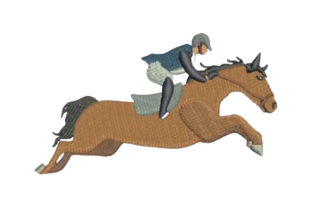
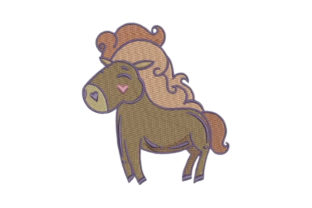
When I first opened the Horse Cartoon embroidery design, my immediate reaction was one of genuine delight. This isn’t a stern, realistic equine portrait; it’s a character. The design carries a cute friendly charm, as its description notes, which sets a specific mood: playful, welcoming, and lighthearted. This visual personality is its biggest asset. For an embroidery designer or crafter looking to inject warmth into a project, this is a strong starting point. The shape and layout feel balanced and approachable, with a level of detail that suggests it will stitch out clearly without becoming overly dense or finicky. It naturally belongs to projects meant to convey affection, whimsy, or a touch of gentle humor.
The Natural Habitat: Where This Design Finds Its Home
In practical use, this machine embroidery design feels destined for personalization and gifts. I envision it stitched onto a baby’s blanket or a child’s sweatshirt—it has that innocent, cheerful quality perfect for nursery decor or children’s apparel. For a creative entrepreneur, it’s an excellent candidate for a boutique’s line of embroidered tote bags or apron designs, adding a signature friendly touch to kitchen towels or pillow covers. As a holiday embroidery motif, say on a festive tea towel or a personalized gift for a horse-loving friend, it would be warmly received. Its appeal isn’t niche; it’s broad and emotive, making it a versatile design asset for small shop products and Etsy listings.
Thinking Through a Real Project: The Custom Tote Bag
Let’s walk through a real-life scenario. I’m considering using Horse Cartoon for a custom embroidered tote bag intended for a craft fair. My primary concern is how it will look after stitching on the bag’s canvas fabric. The design’s friendly charm should translate well into stitches, creating a product that feels handmade and special. I imagine a customer’s reaction: they’d likely smile. It’s not just a horse; it’s a happy horse, which increases its giftability and perceived value. For my brand, if I’m aiming for consistency in a playful, family-friendly aesthetic, this design aligns perfectly. It boosts visual appeal through emotion, not just technical execution.
Performance on the Ground: Stitching Considerations
While the description says it’s perfect for a variety of fabrics, a professional’s job is to think critically about application. For most standard projects like sweatshirt embroidery or baby embroidery on cotton blends, with proper stabilizer, I anticipate it performing well. However, there are always places to proceed carefully.
On highly textured fabrics, like a thick blanket, the finer lines might need adjustment in thread choice or stitch density to remain crisp. On thin or stretchy fabric, like a t-shirt, a robust stabilizer is non-negotiable to prevent puckering. Embroidering on dark fabric requires thoughtful thread color contrast—the design’s lighter, playful areas might need brighter threads to pop. The design seems straightforward, but any tiny, intricate details or very small satin stitch borders should be inspected in a test run. For curved surfaces like caps, its overall balanced shape should adapt well, provided the hoop size is appropriate.
A Note on Small Details and Commercial Use
Before committing to a client’s order or a batch of products for my craft business, I always run a test on scrap fabric of the same type. For Horse Cartoon, I’d check the clarity of the smallest elements, review the overall stitch density to ensure it’s not too heavy for lightweight garments, and confirm the minimum hoop size it requires. I’d also stitch it on both light and dark background scraps to judge color choices. Crucially, for any commercial embroidery project or selling finished products online, I must confirm the licensing terms of the embroidery file. Can I sell the physical tote bag or baby blanket? The description doesn’t specify, so that’s a mandatory check for any Etsy seller or apparel decorator.
Elevating the Finished Product: Beyond the Stitches
This design’s true value lies in how it transforms a base item into a storytelling piece. An embroidered patch featuring this cartoon horse feels personal. A simple kitchen towel becomes a charming kitchen gift. This directly affects customer trust and engagement—a well-executed, cheerful design on a handmade product suggests care and quality. It enhances professionalism by showing a thoughtful selection of design, not just a random graphic. For digital product sellers offering the file itself, its clear, friendly aesthetic makes for attractive printable mockups that communicate the end result effectively to buyers.
Practical Designer Notes for a Smooth Ride
Here are my condensed, in-the-hoop thoughts for anyone ready to use this design:
- Test First: Always stitch a sample on your project fabric or a close substitute. Observe fill stitch areas and running stitch outlines for clarity.
- Contrast is Key: Plan your thread colors deliberately against your fabric background. A friendly design can lose its charm if it blends in.
- Support Your Fabric: Match your stabilizer to the fabric texture and weight. This is especially important for stretchy apparel or items needing frequent washing.
- Consider the End Use: If the finished product will be washed often, like a baby item, ensure your stitch choices and stabilizer leave a durable result.
- Verify the Essentials: Since specific file formats, exact hoop sizes, and license details aren’t provided here, you must obtain that information before starting any commercial project or selling digital embroidery files derived from it.
Final Judgment: A Design with Heart and Utility
The Horse Cartoon embroidery design succeeds by prioritizing personality. It’s a design you choose when you want the final product to feel kind and inviting. For hobbyists making personalized gifts, it’s a wonderful pick. For makers and small business owners building a line of cheerful merchandise, it’s a reliable, engaging asset. Its practicality hinges on executing standard embroidery best practices: testing, stabilizing, and color planning. Avoid hyping it as a one-size-fits-all solution; instead, recognize it as a particularly emotive and well-suited design for projects where a smile is part of the specification. In the right hands, on the right fabric, it will stitch out exactly as intended: a cute, friendly charm that elevates the ordinary into something special.