An Embroidery Designer's Review of the Penguin Embroidery Design
When a new embroidery file lands in my library, I treat it like a prospective employee. I need to know its personality, its strengths, its quirks, and whether it will perform reliably for my customers. Today, I’m testing the Penguin design, considering it for a range of personalized gift products in my shop. My review is based on imagining this design applied to real items—a baby blanket for a new grandson, a kitchen towel for a friend who loves the ocean, a pillow cover for a cozy nursery.
The First Impression: Sweet Charm with Universal Appeal
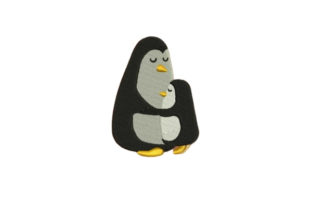
The first thing I notice about this penguin is its inherent warmth. It isn’t overly cartoony or aggressively modern; it carries a classic, sweet charm that feels both handmade and polished. The detail level suggests a design that will stitch out with clear definition, which is crucial for emotional appeal. A customer looking for a gift isn’t just buying stitches; they’re buying a feeling. This penguin evokes playfulness and tenderness, making it perfect for gifts centered around family, new beginnings, or personal passions. It feels timeless, not seasonal, which means it can be a staple in my digital product catalog year-round.
Where This Penguin Can Swim: Personalized Gift Applications
The product description notes this design is perfect for lovers of marine mammals, and that’s a wonderful starting point. But as a designer planning products, I see its application is much broader.
For baby embroidery, this penguin is a dream. Imagine it on the corner of a muslin blanket or subtly featured on a nursery pillow cover. It’s gentle and safe, a beautiful alternative to more generic motifs. For wedding gifts, think of a custom tote bag or apron for a couple who adores wildlife or has a special connection to the sea—it becomes a personalized keepsake far more meaningful than a standard monogram.
As a small shop product, this design’s versatility is its commercial strength. It can anchor an entire line:
- Family keepsakes: Embroidered on canvas for a family gallery wall.
- Personalized towels and aprons: A lovely accent for kitchen textiles.
- Tote bags and pillow covers: Ideal for craft fair products or Etsy listings, offering a quick, attractive customization.
- Blanket embroidery: A central motif on a baby or throw blanket.
Using a digital embroidery file like this allows me to create printable mockups for my online store, letting customers visualize the finished product on different items before they order. That builds immense trust.
Navigating the Tricky Waters: Where to Use With Care
Every design has its considerations. Before running this on a real customer order, I’d be mindful of a few scenarios. While the design appears to have well-defined details, I would always advise testing on scrap fabric first, especially in these cases:
- Small lettering or extremely delicate details: If the design incorporates any tiny elements, they might need adjustment for very dense fabrics.
- Textured or thick towels: Towels are a popular gift, but their looped texture can swallow details. Proper stabilizer choice is paramount here.
- Stretchy baby clothes: On knit fabrics, the design’s integrity depends on excellent stabilizer and possibly adjusting stitch density.
- Curved surfaces: On a rounded tote bag, for example, I’d ensure my hoop technique prevents distortion.
- Dark fabric: This is a universal rule. I would check thread color contrast meticulously. A light grey or white penguin on a navy bag? Beautiful. But it requires perfect thread coverage.
- Products needing frequent washing: For items like kitchen towels or baby blankets, I’d use high-quality thread and confirm the stitch structure is durable after my test run.
The Giftability Factor: How Penguin Elevates a Product
From a business perspective, how does this embroidery file translate to customer value? A well-executed Penguin on a finished product significantly boosts giftability. It moves an item from generic to purposefully personalized. The perceived value increases because the buyer sees a handmade quality and an emotional connection—they’re giving a story, not just an object.
For my product photography, a clean, charming design like this makes for engaging photos. It helps the buyer envision it on their own gift idea. This directly improves buyer engagement and, ultimately, customer trust. They trust that I can deliver a thoughtful, professional custom embroidery product.
Practical Embroidery Notes Before You Stitch
My final step before adding this to my gift shop offerings is a practical checklist. Since the product description confirms it comes in multiple file formats and is compatible with multiple embroidery machines, that’s a great start. But I must fill in the blanks myself.
- I will test on scrap fabric identical to my intended products (terry cloth for towels, quilting cotton for pillow covers, etc.).
- I will review stitch density in my software to ensure it’s suitable for both delicate and heavier fabrics.
- I will confirm hoop size required and ensure my physical hoops can accommodate the design for my typical product sizes.
- I will run compare light and dark fabric mockups digitally, then stitch actual tests to check small details after stitching.
- I will use proper stabilizer for each fabric type—this is non-negotiable for professional results.
- Most critically, for any commercial embroidery, I will confirm commercial licensing terms for this digital embroidery file before selling finished products. The product description doesn’t specify license details, so checking this is a mandatory step.
This Penguin embroidery design has the heart and the versatility to become a beloved part of a personalized gift shop. It speaks to crafters, to parents, to nature lovers, to anyone seeking a touch of handmade sweetness. By applying it thoughtfully and testing it thoroughly, it can help create products that customers not only buy but cherish.