Wire Circle Quilting Design: A Designer's Review
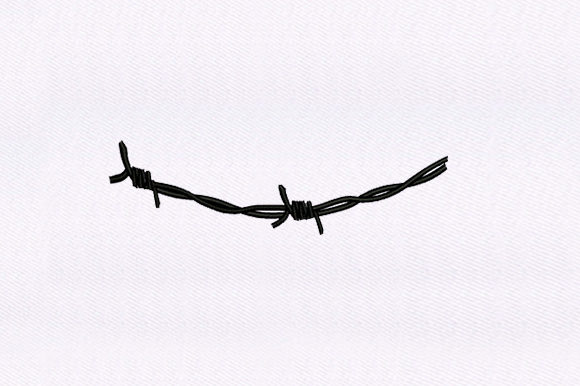
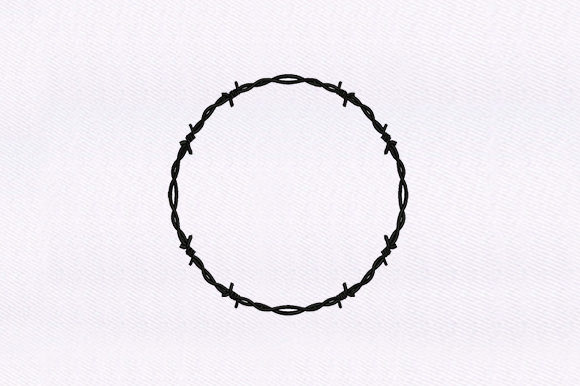
When I first pulled up the Wire Circle Quilting Design, my immediate impression was one of clean, structured geometry. It’s a design that speaks more to orderly craft than to its listed category. The name suggests a pattern built from intertwined circular lines, evoking a sense of precise, almost architectural decoration. This isn't a flashy or overtly themed piece; its personality leans towards minimal and decorative with a subtle, rustic strength. For a boutique sweatshirt project, that’s a compelling starting point.
The Mood and Stitching Personality on Fabric
The layout, as inferred from the title, promises a repeating or interlocked circular motif. On a finished embroidered product, this would translate to a textured, linear pattern. The detail level isn’t overly dense or fussy, which is excellent for sweatshirt embroidery. On a premium, neutral sweatshirt—think a heather grey or oat-colored fabric—this design would act as a sophisticated accent, adding visual interest without overwhelming the garment’s cozy base. Its mood is quietly confident, more about adding a layer of crafted detail than making a loud statement.
Placement and Application for Boutique Merchandise
For a limited sweatshirt drop, placement is key. The Wire Circle Quilting Design feels perfectly suited for a classic left chest placement on an oversized hoodie. Its likely structured lines would provide a crisp focal point against the soft, drapey fabric. On dark fabric, like a charcoal or black sweatshirt, choosing a high-contrast thread color (a bright white or a metallic silver) would make this design pop, leaning into a bold, modern look. On pastel colors—a soft pink or mint—using a slightly off-white or pale grey thread could create a more feminine and delicate, almost ethereal effect.
This design also has potential as a sleeve accent or a smaller, repeated motif along a shoulder seam for a more decorative approach. For a truly standout hoodie design, scaling it up for a full back design could be incredibly effective, turning a cozy garment into a statement piece. This versatility is a huge asset for small shop product development, allowing you to create multiple products from one core digital embroidery file.
Practical Concerns for Commercial Embroidery
Moving from aesthetic to practical, several designer considerations come to mind. First, thread color contrast will be paramount with this design. Given its likely linear nature, the clarity of the pattern will depend heavily on the thread against the base fabric. Testing on scraps is essential.
Stitch density is my next thought. A "quilting" design often implies fills and outlines. On thick sweatshirt fabric, a design with overly dense satin stitches can lead to puckering or a stiff feel. I would hope this design uses a mix of sensible fill stitches and lighter running stitches to maintain the garment's softness. The provided extensive list of embroidery file formats—including PES, JEF, DST, and VIP—means it’s compatible with most commercial machines, but the critical details like exact stitch count and recommended hoop size are not included here. Before any production, you must check those specifics in the actual file.
Stabilizer choice will be crucial. For a sweatshirt’s plush fabric texture, a firm cutaway stabilizer is typically my go-to to prevent distortion and ensure the design’s geometric integrity holds after multiple washes. Washing durability is a key trust factor for customers. A well-digitized, properly stabilized version of this design should hold up beautifully, reinforcing the handmade product as a quality item.
Finally, small-size readability is a test. If used as a small chest logo, every line and circle needs to be clear and not too tight. A good digitization for machine embroidery design will account for this. Overall, the design feels strong enough for commercial apparel use, provided it’s executed with these technical best practices.
Elevating Product Value and Brand Identity
From a business perspective, using a design like Wire Circle Quilting Design goes beyond mere decoration. On your boutique merchandise, it instantly elevates the perceived value. It suggests attention to detail and a level of craftsmanship that basic screen printing doesn’t convey. This builds buyer trust.
For your boutique brand, this design can become a part of your visual recognition. Its geometric, crafted feel could align with a brand identity that values simplicity, quality, and thoughtful design. In lifestyle product photography and Etsy listings, an embroidered piece like this photographs wonderfully, highlighting the texture and dimension of the stitches. Using it in printable mockups and other design assets for your custom apparel line helps customers visualize the premium touch.
This engagement—showing the detail, the texture—deepens customer engagement. It tells a story of a handmade product, even if you're using a machine embroidery design. For Etsy sellers and creative entrepreneurs, that story is a powerful marketing tool.
Final Thoughts for Your Sweatshirt Collection
The Wire Circle Quilting Design, while categorized under Military, feels far more universal. Its application is about decorative texture and minimal pattern. For a premium sweatshirt collection targeting a mindful, style-conscious audience, it offers a fantastic balance. It’s casual enough for everyday wear but premium enough to feel special. It’s not overtly playful or cute; it’s refined.
My advice is to treat it as a versatile design asset. Run tests on your chosen sweatshirt blanks—check the file details for stitch count and hoop requirements, experiment with thread colors on dark and light fabrics, and ensure your stabilizer and hoop placement are perfected. When done right, this design will transform a simple sweatshirt into a standout piece for your shop, reinforcing your brand’s commitment to quality custom apparel and giving your customers something uniquely textured and crafted to cherish.