The Angry Dog Embroidery Pattern: A Designer's Honest Review
As someone who stitches for clients and my own small shop, I approach every new embroidery file with a practical eye. It’s not just about how a design looks on-screen; it’s about how it performs on fabric, how it feels in a real project, and what kind of story it tells when it’s finished. Today, I’m looking at the Angry Dog machine embroidery design, thinking through exactly where and how I’d put it to work.
First Impressions: Character Over Cuteness
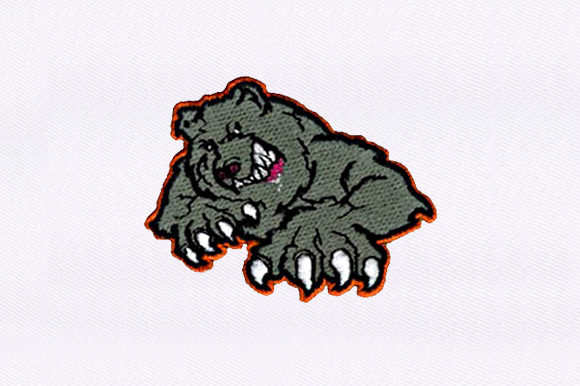
Opening the Angry Dog design, the mood is immediately clear. This isn’t a sweet, cuddly pup. It’s a character piece with a lot of personality—detailed, expressive, and with a visual attitude that stands out. The shape and layout feel bold, suggesting it’s meant to be a focal point rather than a tiny accent. For crafters and makers looking to create products with a bit of humor or a strong thematic punch, this design offers that instantly.
This kind of detailed animal design naturally belongs on items where that personality can shine. My mind went straight to a custom embroidered sweatshirt for a dog lover, a statement tote bag for a boutique, or perhaps a bold patch for a backpack. It’s a design that sparks a reaction, which is exactly what you want for small shop merchandise or personalized gifts that feel unique.
Where This Design Finds Its Best Home
In real-life embroidery situations, the Angry Dog pattern would be a strong choice for several projects. For custom apparel, like t-shirts and hoodies, it would create a great centerpiece. On a sturdy canvas tote bag, the detailed stitches would hold up well to use. As an embroidered patch, it could be fantastic, especially if applied to denim or leather.
I also pictured it on more unexpected items: a kitchen towel for someone with a mischievous pet, or even a pillow cover for a quirky, modern living space. For holiday gifts or wedding presents for a particular friend, it could be a hilarious and memorable personalized product. For Etsy sellers and creative entrepreneurs, this design could easily become a key part of a themed collection—think “Pet Personality” series for baby clothes or nursery decor.
Thinking Through Commercial Use and Customer Appeal
Using a design like this in a craft business or for commercial embroidery projects means considering its visual appeal beyond just the stitch. The clarity of the details will directly affect perceived product value. A crisp, well-executed Angry Dog on a high-quality sweatshirt tells a customer you care about craftsmanship, building trust. In a printable mockup or digital product preview, the design’s strong character helps with buyer engagement, as it’s instantly recognizable and tells a story.
For brand consistency, if your handmade shop leans toward playful, modern, or pet-centric themes, this design asset could fit perfectly. Its giftability is high for the right recipient. However, its success hinges entirely on execution. That’s where our practical judgment as embroiderers comes in.
The Practical Considerations: Stitching the Angry Dog
Given the description notes it’s a very detailed design, we need to think carefully about application. High detail often means more stitches and potentially denser areas. On thin or stretchy fabrics like light t-shirts, a very dense fill stitch could cause puckering or fabric distortion without the correct stabilizer. On dark fabric backgrounds, you’d need to carefully plan thread color contrast so the finer lines, possibly running stitches for definition, don’t get lost.
Small hoop sizes might be a challenge. If the design is large and intricate, forcing it into a tiny hoop for a cap or a baby item’s small sleeve could compress those details and reduce clarity. Always test the actual hoop size requirement before committing to a project. Textured fabrics, like some blankets or aprons, can also obscure fine elements.
Curved surfaces like caps require special attention to stabilizer and possible redesign of layout. And for products that need frequent washing—like kitchen towels or baby clothes—you’d want to ensure the stitch density is secure but not so heavy it stresses the base fabric over time.
Essential Designer Notes Before You Hoop
My routine for any new design like the Angry Dog embroidery pattern is always the same. First, I stitch it out on scrap fabric of the same type I plan to use. This reveals everything: the true stitch density, how small details like the expression in the eyes translate, and whether any corners or tight areas pose problems.
Check thread color contrast against both light and dark fabric backgrounds. Sometimes a design looks perfect on-screen but needs one shade adjustment on actual material. Inspect the small details in your test stitch. Are they clean? Do they read clearly from a few feet away, which is crucial for apparel and gift items?
Use the proper stabilizer for your chosen fabric. This is non-negotiable for a detailed design to look professional. And since this machine embroidery design comes with multiple embroidery file formats, confirm which one is optimal for your specific machine before starting.
Final Judgment: A Design with Purpose
The Angry Dog isn’t a generic, all-purpose file. It’s a design with a specific mood and a need for thoughtful application. When used correctly—on the right product, with proper prep and stitch-out—it can create fantastic handmade products that get noticed. It has the potential to elevate a simple tote bag or sweatshirt into a conversation piece.
For digital product sellers offering the file itself, its detailed nature and strong theme make it a valuable design asset for other makers. For anyone using it for finished products, I’d advise clearly understanding the licensing terms for commercial use before selling embroidered items or patches.
In the end, my review is positive but cautious. The Angry Dog embroidery pattern has clear character and practical appeal for many crafters, small business owners, and apparel decorators. Its success, however, lives in the hands of the embroiderer. Test it, respect its density and detail, and place it where its personality can truly shine. Then, you’ll have a finished product that’s not just a design, but a story stitched into fabric.