A Designer's Take on the Pastel Quilting Embroidery File
When you're curating designs for a boutique apparel collection, especially something like a seasonal sweatshirt line, every file needs to be evaluated not just for its beauty, but for its practical magic. The Pastel Quilting embroidery design from Creative Fabrica immediately caught my eye for its potential in creating soft, textured focal points on garments. This review comes from the perspective of planning a real collection, weighing where this design could shine and where a designer might need to proceed with careful planning.
The Visual Personality: Soft Geometry with Decorative Strength
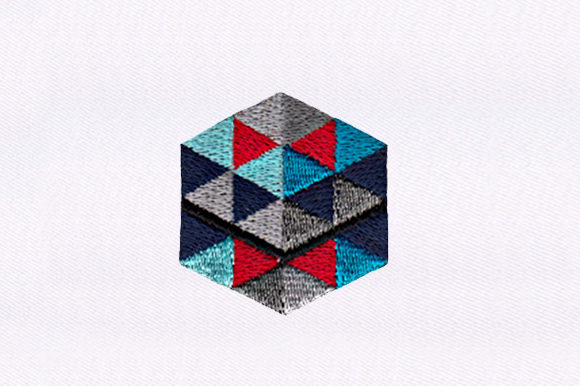
First impressions matter, both for your customer and for your brand's visual identity. Pastel Quilting presents a beautiful composition of colorful triangles forming a hexagon. The overall mood is playfully premium and decidedly feminine, without being overly cute. It strikes a balance between a trendy, geometric aesthetic and a classic, quilted texture. This gives it incredible versatility; it can feel cozy and rustic on an oversized hoodie, yet look intentionally crafted and chic on a simple tote bag or denim jacket. The detail level is moderate—it’s not overly dense or minimal—which suggests it has decorative strength without risking overwhelming a garment or causing technical headaches from excessive stitch count.
Planning a Collection: Where Pastel Quilting Excels
For apparel decorators and small clothing brands, placement is everything. Here’s where I envision Pastel Quilting performing exceptionally well in a real-world product lineup.
Sweatshirt & Hoodie Chest Placement
This design is a prime candidate for a left-chest or centered chest embroidery on neutral sweatshirts—think cream, oat, or light grey. The pastel colors would pop softly against these backgrounds, offering a branded look that’s gentle and inviting. For a pastel hoodie itself, using contrasting thread colors within the design (like deeper shades) could create a beautiful, tonal effect. The hexagon shape provides a contained, focal point perfect for this placement.
Back Designs and Sleeve Accents
On the back of a sweatshirt or hoodie, Pastel Quilting could serve as a standalone statement. Its size, as described, seems suitable for a larger back design without being gargantuan. For a more unique application, consider a smaller version (if resizing is viable) as a repeatable accent on a sleeve cuff or along a shoulder seam. This would elevate a basic garment into a designer-looking piece.
Tote Bags, Denim, and Lifestyle Products
Beyond apparel, this embroidery file has clear potential for boutique merchandise. On a canvas tote bag, it instantly conveys a handmade, artistic product value. On a denim jacket pocket or back panel, it adds a feminine, custom touch. These applications are excellent for expanding a product line and creating cohesive lifestyle photos for your Etsy listings or social media. The design’s visual consistency helps build brand recognition across different products.
Professional Considerations and Careful Application
An experienced embroidery designer always looks at the technical fit. While the product description notes it comes with multiple embroidery file formats, confirming the exact hoop size requirement and stitch density on the Creative Fabrica product page is a critical first step before production. Based on its geometric, filled-triangle appearance, here are areas to use the design carefully.
On stretchy or textured fabrics: Fleece and ribbed fabrics can be tricky. The potential stitch density in the triangle fills might require a robust stabilizer choice and a test on scrap fabric to prevent puckering or distortion, especially on dark garments where any flaw is more visible.
On curved surfaces: A large hexagon on a curved area like a rounded sweatshirt chest might need strategic hooping or even splitting into sections if the file is very large. Testing on a similar garment fabric is non-negotiable here.
For very small placement: If you intend to shrink the design for a tiny chest logo, inspect the stitch density closely. Very small, dense areas can become stiff and may not translate well. Always compare placement options on a mockup first.
How This Design Affects Brand Value and Customer Trust
Using a design like Pastel Quilting isn't just about decoration; it's about communication. A well-executed, clean embroidery of this nature on a product signals attention to detail and quality craftsmanship. This directly boosts perceived apparel value and fosters buyer trust. For Etsy sellers and creative entrepreneurs, it helps products stand out in a crowded marketplace through professional presentation. The design’s inherent playful yet premium feel can attract a specific customer looking for unique, cozy seasonal outfits, thereby increasing customer engagement.
Practical Designer Notes Before You Hoop
- Test, Test, Test: Run the embroidery file on scrap fabric identical to your final garment—especially if using fleece, terry, or a dark fabric.
- Stabilizer Strategy: For sweatshirt embroidery, a cutaway or a firm tearaway might be necessary to support the design and handle the fabric’s stretch.
- Thread Color Contrast: Play with the thread colors within the pastel palette. On a neutral garment, you might follow the design's colors. On a pastel garment, you might choose contrasting shades within the triangles for a pop.
- License Check: Always review the Creative Fabrica product details and licensing terms before selling finished apparel to ensure your commercial embroidery use is covered.
- Utilize Mockups: For planning your collection and creating Etsy listing graphics, use printable mockups to visualize Pastel Quilting on different products before committing to production.
In summary, the Pastel Quilting machine embroidery design offers a compelling blend of soft trendiness and decorative structure. For boutique apparel and sweatshirt projects, it’s a candidate that can elevate a simple garment into a branded, desirable piece. Its success, however, hinges on that professional, preparatory work: testing on your specific fabrics, confirming the technical details, and planning its placement with the eye of a designer building a coherent, quality collection.