Widdle Wonder Halloween Devil: A Designer's Hands-On Review
Let’s talk about the Widdle Wonder Halloween 6 embroidery design from the perspective of actually using it. When a new file lands on my desktop, my first question isn’t just about aesthetics—it’s about practical application. How will this perform on a real project for a client, or as a product in my small shop? This devil design isn't just a digital asset; it’s a potential finished product that needs to earn its keep.
The First Impression: Friendly Spookiness
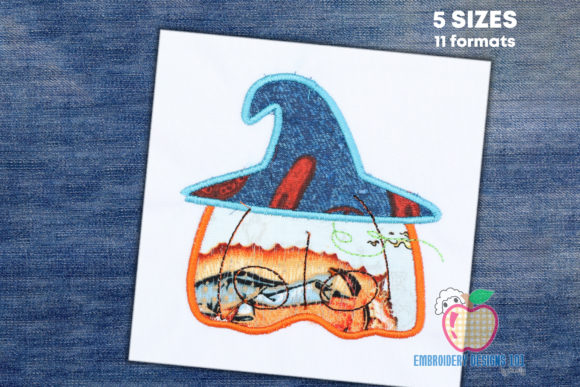
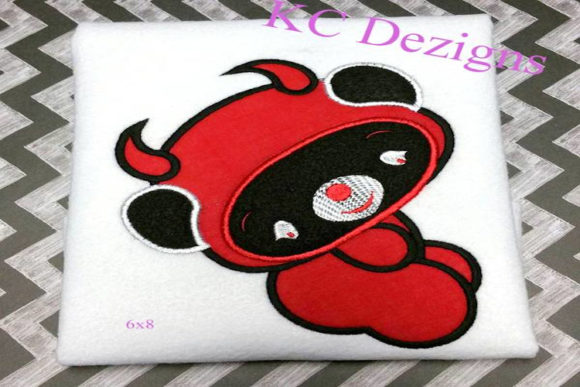
Opening the preview of Widdle Wonder Halloween 6, the mood is immediately clear: playful, not terrifying. This is a widdle wonder, after all. The design leans into a charming, almost cartoonish devil character that feels perfect for family-friendly Halloween projects. The layout is centered and straightforward, a single focal point without overly intricate background details. This simplicity is a strength. It tells me this machine embroidery design is likely going to be about clean shapes and bold applique, not a dense, thread-heavy fill stitch masterpiece. That visual personality—friendly spookiness—directly informs where it belongs.
Where This Design Naturally Excels
I’m imagining stitching this out on a cotton tote bag for a craft fair. A Halloween-themed bag is a perennial seller, and this design’s size and theme feel spot-on. As an applique design, it should translate beautifully onto that sturdy canvas fabric. The bold shapes will pop, and the process will be efficient. Similarly, think about a child’s sweatshirt or a baby’s bib for a personalized holiday gift. The “widdle” aspect suggests it’s suited for smaller, cute applications—baby clothes, nursery decor items, or even a playful apron.
For an Etsy seller or small shop product, this file is a solid candidate for creating a cohesive Halloween line. Pair an embroidered tea towel with this devil, a matching pillow cover, and you have a collection. It’s also an excellent choice for a embroidered patch. Applied to a denim jacket or backpack, that friendly devil becomes a statement piece. The design’s clarity is key for these applications; customers need to instantly recognize the cheerful Halloween theme, which boosts buyer engagement and the perceived product value of your handmade product.
Considering the Commercial and Craft Landscape
Whether you’re a hobbyist making personalized gifts or a creative entrepreneur running a craft business, this design’s appeal is broad. In a printable mockup for your online store, it will look crisp and professional, enhancing customer trust. For commercial embroidery projects, like a batch of caps for a local boutique, the single-color applique (depending on how you thread it) can mean faster production and lower thread cost. That’s a realistic advantage.
Where to Exercise a Bit of Caution
Every design has its ideal canvas, and some fabrics ask for more care. Given this is described as a machine applique embroidery design, the satin stitch outlines and potential small details need a stable foundation. Textured fabrics like some sweaters or stretchy fabric like certain t-shirt knits require impeccable stabilizer choice and hooping technique to keep those clean lines sharp. On dark fabric, you’ll need to think critically about thread color contrast—a classic red devil might need a bright outline to stand out against black.
Small hoop sizes might be a constraint if the design is larger than expected. Always check the actual dimensions of the embroidery file before committing to a tiny baby hat or the curved surface of a cap. Those detailed corners on the devil’s hat or hands could get lost if the stitch density is too high for a small scale. And for products destined for frequent washing, like kitchen towels, ensuring the applique fabric and stitches are secure is paramount for longevity.
The Real-World Stitch Test: A Designer’s Protocol
My next step with Widdle Wonder Halloween 6 would never be to load it directly onto a client’s garment. The rule is: test first. I’d run it on scrap fabric identical to my target material—say, a piece of tote bag canvas or a swatch of jersey cotton. This reveals everything: the true stitch density, the behavior of the running stitch versus satin stitch elements, and whether any tiny elements become muddled.
I’d also test it in both light and dark fabric backgrounds. Viewing the stitched result in person tells me more about its visual appeal and stitching clarity than any screen preview. Does it feel substantial? Does it look clean? This hands-on review is what separates a usable design from a problematic one. It directly affects your brand consistency and professionalism. A poorly executed design on a final product hurts your reputation; a well-tested one enhances it.
A Note on Licensing and Final Products
A crucial, often overlooked step is confirming the license. Before selling finished items or using this digital embroidery file as a commercial design asset, you must know the terms. Can you use it for small shop merchandise? For craft fair products? This is non-negotiable. The design’s giftability and charm are irrelevant if you don’t have the right to monetize it.
Final Thoughts for the Practical Maker
The Widdle Wonder Halloween 6 design presents itself as a versatile, mood-setting tool for your Halloween projects. Its strength lies in its straightforward, character-focused layout, making it a reliable choice for a range of custom apparel and decor items. For the apparel decorator, it’s a quick-to-stitch applique likely to please clients looking for festive but not frightening wear. For the digital product seller offering completed goods, it’s a design that can become part of a attractive, seasonal lineup.
Approach it with a professional’s caution: test, check contrast, and verify licensing. Then, let its playful devil charm do the work on your next tote bag, baby bib, or boutique sweatshirt. It’s a design that, when stitched with care, turns a simple embroidery project into a standout finished product.