Feather Detailed Eagle Embroidery Design Review
As an embroidery designer preparing for a weekend craft fair, every design choice matters. Your booth display—filled with tote bags, aprons, tea towels, patches, and pillow covers—needs to capture attention instantly. Today, I’m reviewing the Feather Detailed Eagle Design from the perspective of turning a digital embroidery file into a profitable, handmade product.
First Impression: Bold and Decorative
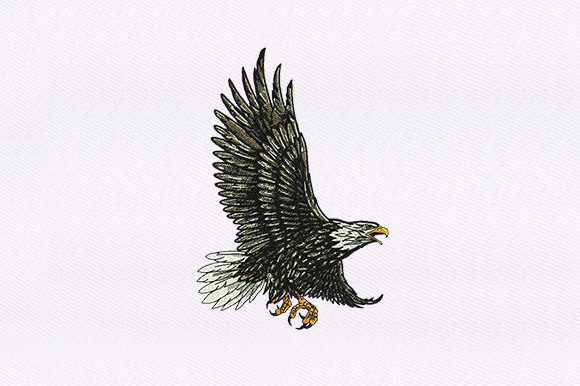
The title Feather Detailed Eagle Design immediately signals a specific mood. This isn’t a cute or minimalist bird; it’s a bold, detailed, and likely majestic design. In the crowded visual space of a craft fair, such a design can stand out by feeling premium and decorative. It suggests a rustic, natural elegance that appeals to customers looking for something with visual weight and craftsmanship. This first impression is crucial—it tells me this design could anchor a section of my booth with higher-value items.
Where This Eagle Design Shines on Products
Let’s walk through the real products I’d consider stitching for my table.
Large-Scale Statement Items
On a tote bag or market bag, this detailed eagle could become a stunning focal point. The feather details suggest it needs space to breathe. A large tea towel or apron panel would also be excellent canvases, especially in a farmhouse or rustic kitchen aesthetic. For a pillow cover, it transforms a simple home decor item into a decorative statement piece. These are the products that often command higher prices and draw customers closer to examine the stitch work.
Smaller Accents and Gift Items
A key consideration is whether the design retains its clarity at smaller sizes. A dense feather design might lose definition if stitched too small on a cap or a tiny fabric pouch. However, creating an embroidered patch with this eagle could be incredibly successful. Patches are popular, and a detailed bird patch feels unique and collectible. It could also work on a small, giftable pouch if the file allows for a simplified or appropriately scaled version—always test first.
The Practical Production Checklist
Turning a digital embroidery file into a batch of craft fair products requires a practical eye.
Stitch Density and Fabric Choice: Detailed designs often mean denser stitch areas. On textured surfaces like tea towels or thick canvas for tote bags, you must use the right stabilizer to prevent puckering and ensure clean stitches. Dark fabrics demand high-contrast thread colors to keep the eagle visually striking; a muted palette might vanish.
Hoop Size and File Formats: The product description lists a wide range of embroidery file formats. This is excellent for commercial embroidery, as it means most machines can run it. However, the critical note is to confirm the specific hoop size requirement before production. You need to know if it fits your standard hoops for items like caps or if it requires a larger hoop for those statement tote bags.
Photography and Online Sales: For Etsy sellers and digital sellers using printable mockups, this design has strong potential. Its detailed nature photographs well, conveying handmade quality. In an online listing, a close-up shot of the feather details can significantly boost perceived value.
Customer Attention and Booth Display Strategy
Imagine your craft fair booth. A pillow cover with this eagle displayed prominently creates a visual anchor. Customers notice intricate work from a few feet away. Pairing it with simpler designs on either side can make it the premium centerpiece. On a denim apron or a neutral tote bag, the eagle design adds a touch of rustic elegance that feels both handmade and professionally executed. This balance is key for engaging buyers who appreciate craft but also want durable, beautiful products.
Batch Production and Repeatability
Is the Feather Detailed Eagle Design practical for batch production? For a weekend fair, you might need a dozen tote bags or tea towels. Designs with many thread color changes or extreme density can slow production. Here, you must assess the actual stitch count and color changes. A design that is visually detailed but efficiently stitched can be a goldmine. Always test the design on scrap fabric first to review spacing, stitch density, and thread consumption. This test run tells you if it’s a viable, profitable small shop product.
Careful-Use Notes for Craft Fair Success
- Small Lettering or Tiny Details: If the design incorporates minute feather textures, ensure they are readable on the final product size. Shrinking it for a cap might blur those details.
- Curved Surfaces: Embroidering on curved cap surfaces requires careful stabilization. A design this detailed may need extra attention to avoid distortion.
- Thread Contrast: Always compare fabric colors with your thread choices. A dark eagle on a dark bag loses impact. Test on light and dark scraps.
- Commercial Licensing: Before selling finished products, confirm your license allows for commercial use. This is a fundamental step for any embroidery business owner.
Final Designer Advice: Create a Real Mockup
My strongest recommendation is to create at least one real, physical mockup. Stitch the Feather Detailed Eagle Design on the product you believe will sell best—perhaps a natural canvas tote bag. Hold it. Look at it from a distance. Feel the texture. This tells you more than any file preview. It reveals how the light catches the threads, how the design feels in hand, and exactly how a customer at your craft fair booth will experience it. That hands-on review is what separates a good digital embroidery file from a great craft fair product.
This eagle design, with its bold and detailed nature, has the potential to elevate your handmade product line. It speaks to a sense of rustic premium quality that can attract attention both on your Etsy shop and your physical booth table. By pairing it with the right fabrics, perfecting your production process, and displaying it confidently, you can turn this bird embroidery design into a standout seller for your creative business.