Embroidery Design Review: The Smiley Shark for Business Use
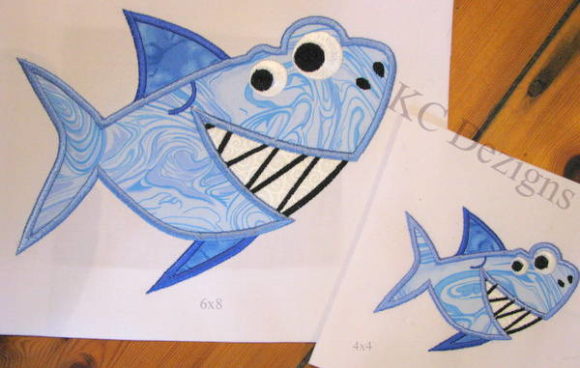
As an embroidery designer working with small businesses, I’m constantly reviewing digital embroidery files for their potential beyond decoration. Today, I’m evaluating the Smiley Shark, a design described as “Not so scary shark – perfect for the little ones.” While its initial categorization suggests a simple beach towel accent, I see significant potential for branded merchandise, patches, and uniform detailing. This review will focus on its practical application for entrepreneurs and crafters.
First Impression: Friendly & Playful Brand Personality
The name Smiley Shark immediately sets a tone. It’s not intimidating or aggressive; it’s approachable and cheerful. This is a crucial first impression for a small business looking to build a friendly, community-oriented brand identity. The design promises a sense of playfulness and warmth, which can be a powerful asset for businesses targeting families, creative industries, or those wanting to soften a more utilitarian product line. It feels handmade and decorative, yet with enough bold character to serve as a recognizable logo accent.
Real Business Applications for the Smiley Shark
This machine embroidery design is far more versatile than the initial description implies. For a cafe, boutique, bakery, or local pet brand, the Smiley Shark can become a cohesive branding element across multiple products.
Embroidered Patches for Merchandise & Uniforms
An embroidered patch featuring the Smiley Shark is an excellent starting point. It can be applied to staff uniforms, aprons, or work shirts as a subtle sleeve detail or chest logo. For merchandise, a patch can be heat-sealed or stitched onto tote bags, creating a handmade product feel that customers value. This approach allows a business to produce a batch of patches and apply them to various items—caps, denim jackets, or even as an accent on product packaging for a boutique.
Direct Embroidery on Apparel & Accessories
The design’s playful nature makes it ideal for direct embroidery on customer-facing items. Consider stitching it onto the front of a cap for event merch, the corner of an apron for a bakery or coffee shop, or centrally on a tote bag for a florist or creative studio. It can serve as a branded product add-on—a small, embroidered logo on a gift towel or blanket included with a purchase, enhancing perceived value.
Digital Asset for Mockups & Brand Consistency
Even before stitching, the Smiley Shark embroidery file is a design asset. It can be used in printable mockups for client approval or website galleries, showing potential customers how the branded merchandise will look. For Etsy sellers or handmade brands, using a consistent, friendly motif like this across various products—from embroidered items to digital graphics—builds visual consistency and aids customer recognition.
Critical Considerations for Production Success
While the Smiley Shark is promising, successful implementation in commercial embroidery requires careful planning. Here are practical notes from a designer’s perspective.
Testing Scale & Stitch Density
Before any production run, test the design at your intended size. If you plan to use it as a small patch (under 2 inches) or on a cap front, you must stitch it out at that size first. Check if the details—like the smile and shark shape—remain clear and crisp. High stitch density in a small area can cause puckering, especially on textured fabric. Always use the proper stabilizer for your base material, whether it’s a cotton apron, polyester cap, or canvas tote bag.
Thread Color & Fabric Contrast
The design’s effectiveness hinges on contrast. On dark uniforms or black caps, you’ll need to choose thread colors that pop. I advise testing it in black and white thread first on your actual fabric to gauge its visual strength. This helps decide if you need to adjust color choices for better brand visibility. Remember, items like work shirts and tote bags may undergo frequent washing; ensure your thread choices and stitching are robust enough to maintain integrity.
Commercial Licensing & Hoop Size
A vital step often overlooked: confirm the commercial licensing of the embroidery file before using it for business products. The product description does not specify license terms; you must check this with the distributor. Additionally, the description does not list a specific hoop size. You must verify that the design fits within your machine’s capabilities and the physical constraints of your items—curved cap surfaces or the flat field of a tote bag.
Impact on Brand Identity & Customer Engagement
Choosing an embroidery design like Smiley Shark for your small business merch is a branding decision. Its playful, friendly aesthetic directly influences customer perception.
It can build trust and engagement by making your brand feel approachable and human-centric. On staff uniforms, it subtly communicates a welcoming and professional environment. On merchandise, it transforms a simple tote or cap into a story-driven item, increasing its value as a customer gift or event merch piece. For a business in the “Boys” category or any family-focused niche, it aligns perfectly with a youthful, cheerful brand identity.
However, it must align with your overall brand voice. If your business is ultra-modern or minimalist, this design might feel out of place. Compare it beside your other design assets before committing. Its handmade, decorative quality can elevate a rustic or artisan brand but might need simplification for a more sleek, modern apparel decorator.
Final Designer Recommendations
The Smiley Shark machine embroidery design is a versatile file with strong potential for small business branding. To leverage it effectively:
- Stitch a test sample on your target fabric—beach towel material, apron cloth, or cap fabric—to evaluate its real-world appearance.
- Plan its application: will it be a direct embroidery on custom apparel, or will you produce patches for versatile use?
- Use the test to check spacing, outline clarity, and overall satisfaction before presenting a mockup for client or internal approval.
- Integrate it thoughtfully into your brand ecosystem, ensuring it complements your other visual elements.
By treating this design as a strategic brand identity tool rather than just a decoration, you can create cohesive, engaging merchandise that resonates with customers and strengthens your small business’s market presence.